Bridgewater Associates LP
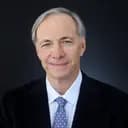
Ray Dalio
Ray Dalio built Bridgewater Associates from a two-bedroom New York City apartment in 1975 into the world's largest hedge fund, pioneering an approach known as risk parity. After earning an MBA from Harvard in 1973, he worked as a commodities trader at Shearson Hayden Stone, advising cattle ranchers and grain producers on hedging with futures. He left that job abruptly: on New Year's Eve 1974, after a drinking argument with his boss, he punched him in the face and was fired — a moment he later called the best thing to happen to his career, since his clients kept paying him for advice and gave him the footing to start Bridgewater with two partners. Dalio invests by studying broad economic trends and how markets react to them, concentrating on currencies and fixed income rather than picking individual companies, and he held positions far longer than the typical trader. His signature contribution, risk parity, spreads money across assets so that a portfolio's risk, not its dollar value, is balanced — the idea behind the All Weather strategy he launched in 1996 and the earlier Pure Alpha in 1991. His most retellable setback came in 1982, when he publicly predicted on television that a global depression was near after Mexico's debt default. The depression never came; the Federal Reserve cut rates, markets rallied, and Bridgewater lost so much money that it nearly folded and Dalio had to borrow to pay his staff. He later said the mistake taught him to be humble about his forecasts. He stepped down as co-chief executive in 2017 and sold his remaining stake in 2025, having also written two best-selling books, "Principles" (2017) and "The Changing World Order" (2021), that lay out his management philosophy of radical transparency.
$22.40B