Southeastern Asset Management
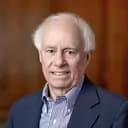
Mason Hawkins
US-listed stocks across every Southeastern account, including accounts that belong to no fund below. Mason Hawkins is an American value investor who founded Southeastern Asset Management in Memphis, Tennessee in 1975, in the aftermath of the 1973-74 market crash. A finance graduate of the University of Florida with an MBA from the University of Georgia, he spent the early 1970s as director of research at Atlantic National Bank and then at First Tennessee Investment Management before striking out on his own. Southeastern grew into one of the country's larger value shops and, in 1987, launched the Longleaf Partners mutual funds it advises. Hawkins builds the firm's approach around three words — business, people, price. He looks for strong businesses with durable competitive advantages run by capable, shareholder-aligned managers, and buys them at a meaningful discount to what Southeastern believes they are worth. The firm runs a concentrated book of a couple dozen stocks and holds them for years, engaging with management rather than agitating for quick change. That patient style turned confrontational in 2012, when Southeastern — then one of Chesapeake Energy's largest shareholders — joined Carl Icahn in a public fight with the shale driller's CEO over governance and conflicts of interest. Chesapeake settled by adding four independent directors to its board, a rare moment when Hawkins stepped out of the quiet value role he usually plays.
$2.12B
Quarter in review
Southeastern Asset Management opened new positions in HF Sinclair, Kraft Heinz, and Millicom International Cellular, while exiting Seaport Entertainment Group, Warner Bros. Discovery, and Warner Music Group. The firm also added to Albertsons Companies and Oscar Health, and trimmed CNX Resources, IAC, Graham Holdings, PayPal, SharkNinja, and Liberty Media, among others.
Full Q4 2024 recap →Stock Value
$2.12B
Positions
44
Top Position
Funds (1)
Southeastern Asset Management reports US-listed stocks across every account it manages, including accounts that belong to no fund below. Each fund reports its own holdings separately. The two views overlap but do not add up — a fund's holdings are not a slice of the firm's total.